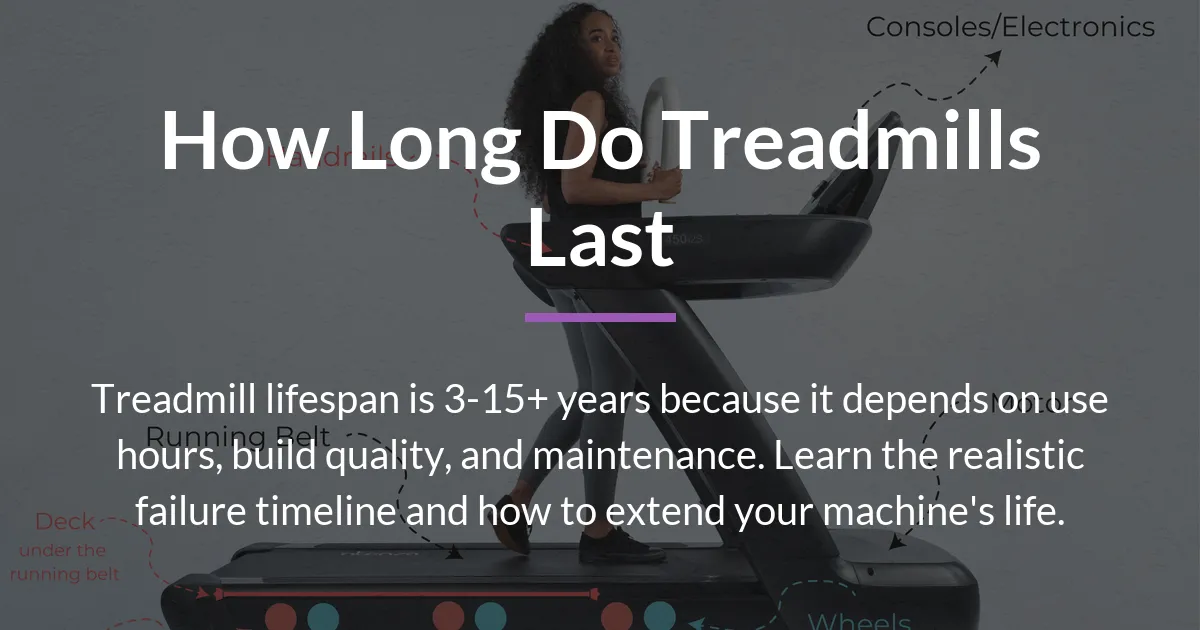
You want a simple number. The truth is more useful. A treadmill’s life is not a countdown timer but a story written by three main factors. How you use it, how well it is built, and how carefully you maintain it decide the final chapter.
This guide will give you that story. You will learn what parts wear out and when they typically do. You will get a clear plan to protect your investment. You will also learn how to choose a machine built to endure for years. Let us move beyond a guess and into understanding.
What Determines a Treadmill Lifespan
Forget about a single expiration date. Think of lifespan as a range. On the low end, a machine might last just a few years. On the high end, it could serve faithfully for over a decade. The distance between those points is controlled by a few key elements.
Your Usage Patterns Matter Most
Time in years is a poor way to measure use. A treadmill used for gentle walking three times a week faces less stress than one used for daily intense runs, even if both are five years old. The real measure is total operational hours.
Think of the motor and moving parts like a car engine. They have a finite number of hours they can run before wear becomes significant. A person using the machine for one hour each day accumulates over 350 hours of use in a single year. Another person using it for thirty minutes, three times a week, only adds about 75 hours.
The first user’s treadmill will show wear much faster in calendar time. This is why asking “how long do treadmills last” requires knowing your routine. Heavy, frequent use will move any machine through its life cycle more quickly.
Build Quality and Key Components
Not all treadmills are created equal. The quality of materials and components forms the foundation of durability. A machine made with a weak motor and thin deck cannot last as long as a sturdier one, even with light use.
The motor is the heart. Look for a continuous duty horsepower rating, not a peak rating. A more powerful motor works with less strain during your workout. This reduces heat and wear over thousands of hours.
The deck and belt are the soul. A thick, durable deck provides a stable running surface. A high-quality belt resists stretching and fraying. Sturdy construction in the frame absorbs impact without wobbling or shaking. These elements work together to handle the most weight and impact you will apply.
The Critical Role of Consistent Care
This is the single biggest factor you control after purchase. Maintenance is not an optional chore. It is the direct defense against the natural wear described above.
Neglected maintenance guarantees a shorter life. Dust clogs motor vents, causing overheating. A dry belt creates friction that scorches the deck. Loose bolts lead to alignment issues and uneven wear.
With very minimal maintenance, a good treadmill in a residential setting can last remarkably long. Simple, consistent actions protect the essential parts. This care is the difference between a machine that fails early and one that becomes a reliable partner for over a decade.
The Typical Treadmill Lifespan Timeline
Now let us map the journey. This timeline is based on hours of use, which is more accurate than years. It shows what you can expect as your treadmill ages.
The First Five Hundred Hours
This is the break-in period. New parts are settling into their working relationship. You might notice the belt needs a slight adjustment as it stretches to its final fit.
This is when you establish your maintenance routine. The initial lubrication from the factory may wear off. Following the manufacturer’s guide for early care is crucial. It sets the stage for everything that follows.
Electronics are also new. The console and controls should work perfectly. Any early faults are usually covered by the shortest parts of your warranty.
Five Hundred to Fifteen Hundred Hours
This is often the peak performance zone. If you have cared for the machine, it should operate smoothly and quietly. The belt runs true over the deck. The motor responds reliably to speed changes.
Maintenance during this phase is about prevention. Regular cleaning and inspection keep small problems from growing. This period represents several years of use for many home exercisers. It is where you get the most consistent value from your purchase.
For a user working out thirty minutes a day, five days a week, reaching fifteen hundred hours takes roughly four years. This shows why a simple “year” estimate is often wrong.
Fifteen Hundred to Three Thousand Hours
Welcome to the wear and service phase. Even with good care, materials fatigue. This is when various main components’ lifespan becomes apparent.
The belt and deck will show wear. You may need to flip the deck over to use the other side, if your model allows it. The original belt might need replacement. Roller bearings can start to make noise.
Inside the motor, consumable parts like carbon brushes may wear down. Electronics can become less reliable. This stage separates machines that are built to be serviced from those that are not. Replacing a worn belt or deck can add thousands of hours of life.
Beyond Three Thousand Hours
This is extended life territory. A treadmill operating past this point is often a testament to excellent build quality and dedicated upkeep. Not every machine will make it here.
Survival depends on part replacement. Major components like the motor or main control board may eventually fail. The decision becomes a cost-benefit analysis.
Is the repair cost less than half the price of a new, comparable machine? If yes, and the frame is still solid, repair can be a good deal. This is common with commercial-grade models or high-end home brands built with service in mind.
How to Make Your Treadmill Last Longer
Your actions directly influence the timeline. Here is how to become your treadmill’s best ally.
Essential Weekly and Monthly Tasks
Make these simple habits. After each use, wipe down the console and handrails. This prevents sweat corrosion.
Every week, vacuum around the motor area and under the machine. Dust is a motor’s enemy. It blocks cooling and acts as an abrasive.
Each month, visually inspect the belt. Is it centered on the deck? Look for signs of fraying or wear. Listen for new sounds. A very close eye on small changes prevents big breakdowns.
Bi-Annual and Annual Procedures
Every six months, check belt tension. A belt that is too loose will slip and cause motor strain. One that is too tight creates extra friction. Your manual will show the simple test.
Lubrication is your most important annual task. Most modern treadmills need a silicone-based lubricant applied between the belt and deck. This reduces friction by up to seventy percent.
A dry belt grinding on a deck creates heat that damages both parts. This single act is a powerful proactive measure. Also, once a year, go around the frame with a wrench and tighten any bolts that have shaken loose.
Responding to Early Warning Signs
Do not ignore strange behavior. A squeaking sound often means a need for lubrication or a worn roller. A burning smell points to excessive friction or an overheating motor.
If the belt slips under your feet, the tension is wrong or the belt is worn. If the console flickers or programs reset, there could be an electronic fault. Addressing these signs immediately is a form of yearly service that stops small issues from becoming terminal.
Keeping a log of maintenance and repairs is great advice. It helps you track the machine’s health and can be useful if you need to call for service.
Choosing a Treadmill for Maximum Longevity
Your power to ensure a long life starts before you buy. Use this knowledge to select a durable partner.
Interpreting Specifications for Durability
The warranty is a good indicator of manufacturer confidence. A ten-year motor warranty suggests they trust that component. Read the fine print. It tells you what is not covered.
Do not just meet the user weight capacity. Exceed it. If you weigh 200 pounds, choose a treadmill rated for at least 250 pounds. This provides a buffer that reduces strain.
Look for a motor with a high continuous duty horsepower and a good NEMA rating. These technical specs signal a motor built for the long run, not just a short sprint.
Home Treadmill Tiers and Realistic Expectations
Budget models from brick and mortar stores or online can be very cheaply made and poor quality. Their lifespan is often on the lower end of the spectrum, perhaps three to five years with light use. They are not built for daily, intense workouts.
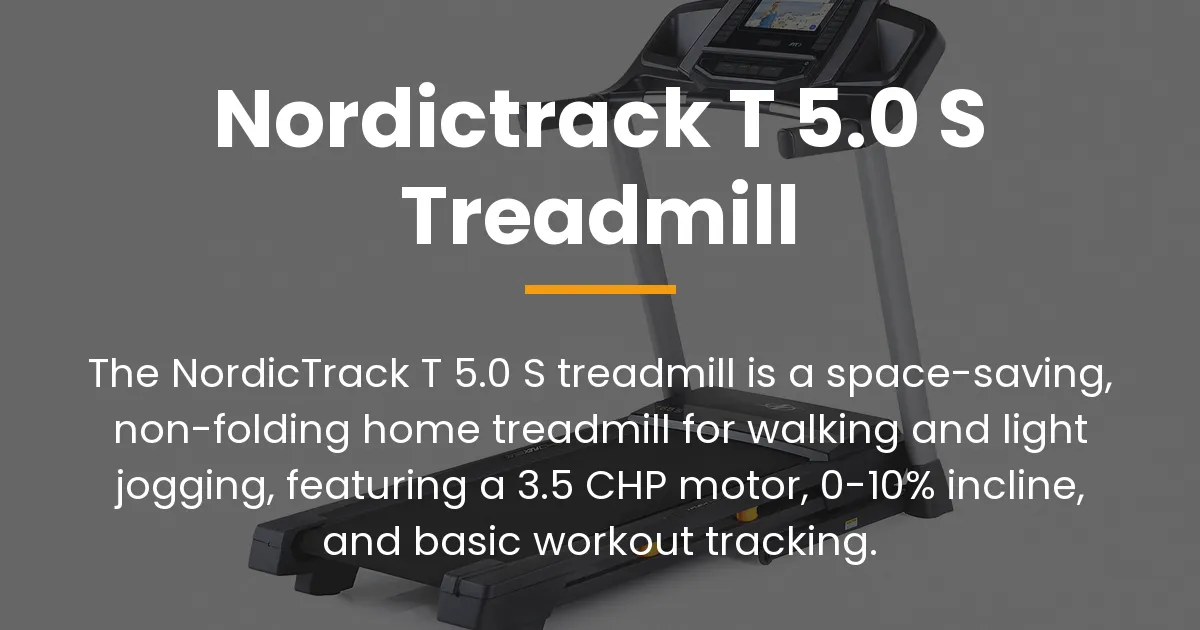
Mid-range brands like NordicTrack and ProForm offer better components. With proper care, reaching seven to ten years is a reasonable hope. Premium home brands invest in sturdier construction and better motors, aiming for the decade-plus mark.
There is no doubt you get what you pay for. Investing more upfront often means a longer useful life and a lower cost per year of ownership.
The Reality of Used Commercial Machines
The idea is tempting. Commercial brands like Life Fitness, Matrix, and Star Trac are built for gym abuse. They can last up to 8000 hours or more. But buying one for your home is a major project.
These units are extremely heavy and large. You need a very sturdy floor, often in a garage or basement. Many require a special 220-volt electrical outlet, like a clothes dryer.
They are very loud compared to home models. When parts break, they are expensive. A used commercial machine can be a fantastic, durable tool. But it is not a simple plug-and-play solution for a spare bedroom.
Frequently Asked Questions
How does user weight impact treadmill lifespan?
Heavier users place more force on the motor, belt, deck, and bearings with every step. This accelerates wear. Choosing a treadmill with a weight capacity well above your actual weight is a key strategy for longevity.
Can I make a treadmill last longer by using it less?
Yes, reducing total operational hours directly reduces mechanical wear. However, complete neglect with no maintenance can also cause problems like belt drying or electronic issues from dust.
Is a longer warranty a guarantee of a longer life?
Not a guarantee, but a strong signal. A manufacturer would not offer a ten-year motor warranty if they expected widespread failures in year five. It reflects confidence in the component’s durability.
What is the first sign my treadmill is near the end?
Persistent electronic failures, like a glitching console, are a common sign. Another is the cost of a major repair, like a new motor, approaching or exceeding half the cost of a new equivalent treadmill.
How long do treadmills last in a gym?
Commercial treadmills are built for high use and can last 10,000 to 15,000 hours. In a busy gym, that often means five to eight years before they are replaced, thanks to robust construction and professional maintenance.
How long do NordicTrack treadmills last?
With proper maintenance, a mid-to-high-end NordicTrack treadmill can last 7 to 10 years or more in a home setting. Their lifespan depends heavily on the model’s build quality and the user’s maintenance habits.
How long do Proform treadmills last?
Similar to NordicTrack, Proform treadmills are designed for home use and typically offer a good lifespan of 5 to 8 years with consistent care. Higher-end Proform models will generally outlast entry-level ones.
Are commercial grade treadmills worth it for home use?
They can be, but only if you have the space, proper electrical setup, and budget for potential repairs. For a serious athlete planning very high hours of use, it may be justified. For most, a premium home model is more practical.
Does belt size affect how long a treadmill lasts?
A smaller belt size can mean more wear per square inch, as your foot strikes the same area more frequently. A longer, wider belt distributes impact over a larger surface, which can reduce wear on the deck and belt over time.
Should I buy based on the warranty alone?
No. The warranty is important, but it is only one factor. Also consider motor power, user weight capacity, frame stability, and brand reputation for quality and customer service when making your choice.
Conclusion
So, how long do treadmills last? You now see it is the wrong question. The right question is how long can your treadmill last. The answer lies in the balance between your habits, your machine’s quality, and your care.
It is not a mystery. Use the timeline to understand what to expect. Follow the maintenance plan to defend against wear. Apply the buying principles to start with a strong foundation. Your treadmill’s lifespan is not a countdown you watch. It is a result you actively build, year after year.