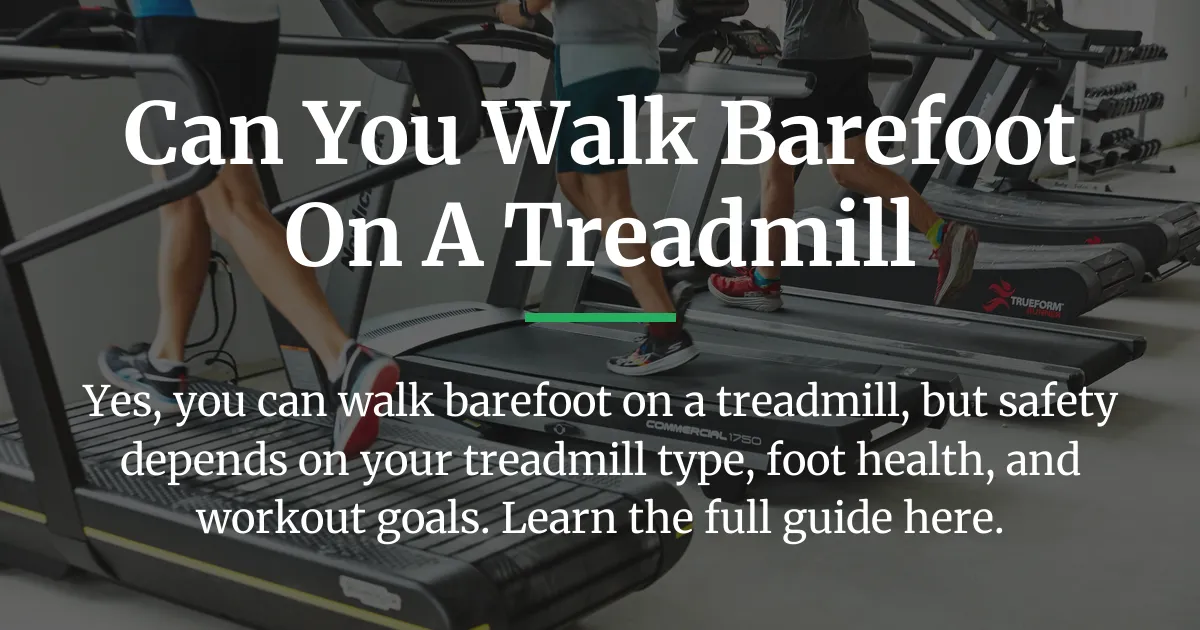
Many people ask if they can walk barefoot on a treadmill, seeking a simple yes or no. The truth is, you can, but whether you should is a more personal decision. This guide cuts through the confusion with a clear look at the science, safety, and steps you need to know.
Walking barefoot on a treadmill is not inherently good or bad. It is a practice that offers specific benefits for some while posing real risks for others. Your choice should depend on your body, your machine, and your goals.
How Your Feet Adapt to Walking Barefoot
When you remove your shoes, your feet immediately start working differently. They are no longer cushioned and guided by structured footwear. This change activates muscles in your feet and lower legs that often lie dormant when you wear shoes.
Your natural gait often improves because your body seeks stability. You tend to take shorter, quicker steps and land more on the midfoot or forefoot. This can reduce the heavy heel strike common in some running styles.
This adaptation is a form of strength training for your feet. Over time, it can lead to more resilient arches and better balance. However, this process takes time and should be approached gradually to avoid strain.
The Role of Sensory Feedback
Your bare feet provide direct feedback from the ground. This sensory information helps your brain adjust your posture and stride instantly. On a treadmill, this means you can feel the belt’s movement and texture clearly.
This feedback loop promotes a more natural walking pattern. It encourages better coordination and can make you more aware of any issues in your form. For some people, this heightened awareness is a key benefit.
The Treadmill Belt is Not the Ground
This is a critical point many guides miss. A treadmill belt is a man-made surface with constant, predictable motion. It does not mimic the variety of natural terrain you find during outdoor walks.
The belt creates much friction against your skin. This constant rubbing, even at walking speeds, can generate heat and cause minor skin pain or blisters. The synthetic material is designed for grip with shoes, not bare skin.
Unlike dirt or grass, a treadmill belt offers no give. It is a hard, moving surface that sends impact forces directly up your legs. This lack of shock absorption is a main reason for caution.
Understanding Friction and Heat
The steady motion means your foot is in contact with the same spot on the belt for the entire stride. This repeated contact in the same area can lead to abrasion. Over a long session, the friction can make the belt quite warm.
This heat buildup increases the risk of discomfort or injury. It is a unique factor of treadmill use that you do not encounter on natural ground. Always be mindful of how your skin feels during your workout.
Potential Benefits of Treadmill Walking Barefoot
For the right person, walking barefoot on a treadmill has appealing advantages. It can strengthen the small muscles in your feet and ankles that support your arches. This strengthening may help some individuals with conditions like plantar fasciitis.
Improving your natural gait is another added benefit. Without shoes, you might find your stride becomes lighter and more efficient. This can translate to better form even when you put your shoes back on.
Some people enjoy the direct connection and sense of freedom. It can make a routine treadmill session feel more engaging. For short, low-intensity walks, it might pose no problem for those with healthy feet.
Strengthening Foot Muscles
Walking barefoot forces your feet to stabilize themselves with every step. This work targets muscles that are often neglected. Stronger feet can mean better overall lower body alignment and less fatigue.
Risks of Walking Without Shoes on a Treadmill
The risks are real and should not be ignored. The most immediate danger is skin damage from friction. Blisters and abrasions are common, especially when starting or if the belt is old and rough.
Without the cushioning of shoes, your joints absorb more impact. This increased impact force can lead to pain in your feet, ankles, knees, or hips over time. It is a significant concern for anyone prone to joint issues.
Hygiene is a two-way concern. Sweat and skin cells from your bare foot can degrade the treadmill belt. Conversely, a poorly cleaned belt can harbor bacteria that may infect small cuts on your feet.
Specific Injury Concerns
Plantar fascia strain is a risk if you overdo it. The dull throbbing pain some feel afterward is a warning sign. There is also a mroe chance of cuts if the belt has any seams or wear.
Loss of sensation from conditions like diabetes makes barefoot treadmill walking especially dangerous. Without proper feeling, you might not notice an injury until it is severe. In such cases, shoes are non-negotiable.
Deciding When to Wear Shoes on the Treadmill
This is not a one-size-fits-all choice. Use this simple framework to decide for your situation. If any of these points apply to you, wearing shoes is the safer option.
First, consider your treadmill. Is the belt worn, cracked, or very abrasive? Older treadmills often have belts that are harsh on bare skin. A walking pad may also be less shock-resistant than a full treadmill.
Second, evaluate your health. Do you have any loss of sensation, previous foot injuries, or joint pain? Are you overweight, which increases impact forces? If yes, shoes provide necessary support and protection.
Third, look at your workout. Does it include inclines set at a max incline or intervals? Higher intensity increases friction and impact. For gentle, flat walking, you might try barefoot, but for anything more, shoes are recommended.
The Role of Socks and Minimalist Shoes
Socks alone offer little protection from friction or impact. The “two sock method” or wearing just socks is not a safe substitute for proper footwear. However, clean socks are better than a completely bare foot for hygiene.
Minimalist shoes are a excellent middle ground. They offer a thin layer of protection while allowing your foot to move naturally. Brands like Vibrams simulate barefoot movement but shield your skin from direct belt contact.
How to Start Walking Barefoot on a Treadmill Safely
If you decide to proceed, follow this protocol to minimize risk. Start slowly and listen to your body above all else. This is a gradual adaptation process for your feet.
- Inspect Your Treadmill and Feet. Ensure the belt is clean and smooth. Check your feet for any cuts, blisters, or sensitive areas. Do not start if either has any issues.
- Begin with Short Sessions. Start with just 5-10 minutes of barefoot walking at a slow pace. This lets your skin and muscles adapt without overstress.
- Focus Meticulously on Form. Pay attention to a light step and a natural gait. Avoid overstriding, and try to land softly to reduce impact forces.
- Increase Time and Pace Gradually. Only add a few minutes to your session each week. Do not increase speed or incline until your feet feel completely comfortable at the current level.
- Stop at the First Sign of Pain. Any sharp pain, burning sensation, or dull throbbing means you should stop immediately. Do not push through minor skin pain.
Post-Walk Foot Care
After your session, wash and dry your feet thoroughly. Check them for any red spots or hot areas, which are precursors to blisters. Giving your feet time to recover between sessions is crucial for personal growth in this practice.
Caring for Your Treadmill When Walking Barefoot
Protecting your equipment is just as important as protecting your feet. Sweat and moisture from bare feet can seep into the belt and deck, causing damage over time.
Always wipe down the belt and handrails with a mild disinfectant after every barefoot session. This prevents the buildup of salts and acids from sweat that can degrade the treadmill’s materials.
Ensure the treadmill is in a well-ventilated area to help any moisture evaporate. If you use the treadmill every day barefoot, consider using a dedicated, washable treadmill mat to absorb sweat and protect the floor and machine.
Long-Term Maintenance Tips
Regularly check the belt for signs of wear or staining. A belt constantly exposed to sweat may need more frequent lubrication or alignment. Following the manufacturer’s care guidelines will extend the life of your machine.
Frequently Asked Questions
Is walking barefoot on a treadmill better than wearing socks?
Not necessarily. Socks provide a minor barrier against friction but almost no cushioning. For hygiene and slight protection, clean socks are better than nothing, but proper shoes or minimalist footwear are safer choices for regular use.
Can walking barefoot on a treadmill help with plantar fasciitis?
It might for some people, but it can also make it worse. The gentle strengthening can benefit the plantar fascia, but the increased impact could aggravate it. Always consult a doctor or podiatrist before trying barefoot walking for this condition.
Is it safe to use a walking pad barefoot every day?
Using a walking pad barefoot every day is generally riskier than using a full treadmill. Walking pads often have thinner decks and less shock absorption. Daily barefoot use significantly increases the chance of overuse injuries or skin problems.
How do I clean the treadmill after walking barefoot?
Use a soft cloth dampened with a mild, non-abrasive cleaner or a mix of water and gentle soap. Wipe the belt and all contact surfaces thoroughly after each use to remove sweat and oils. Dry it completely before closing or covering the treadmill.
What are the signs I should stop walking barefoot on the treadmill immediately?
Stop immediately if you feel any burning sensation on your skin, sharp pain in your feet or joints, a loss of grip causing slippage, or the development of a hot spot or blister. These are clear signals that your feet need protection.
Does barefoot walking on a treadmill burn more calories?
Not in any significant way. The calorie burn is primarily determined by your speed, incline, and body weight. The slight increase in muscle engagement from barefoot walking is unlikely to make a measurable difference in calories burned.
Can I run barefoot on a treadmill if I can walk barefoot on it?
Running barefoot introduces much higher forces and friction. It is not a natural next step. If you walk barefoot without issues, transitioning to running should be done with extreme caution, if at all, and likely with minimalist shoes for protection.
Are minimalist shoes a good middle ground?
Yes, minimalist shoes are often the best compromise. They allow your foot to move and strengthen naturally while providing a protective sole against abrasion and impact. They are highly recommended for those interested in barefoot-style training.
How long does it take for your feet to adapt to treadmill walking barefoot?
Adaptation varies by individual but typically takes several weeks of consistent, gradual practice. Start with very short sessions and increase duration only when you feel no discomfort during or after your walk.
Is walking barefoot on a treadmill good for balance?
Yes, it can improve balance and stability. The need for your feet to constantly make micro-adjustments on the moving belt engages stabilizing muscles. This can enhance your coordination over time.
Finding What Works for Your Feet
The final answer to whether you can walk barefoot on a treadmill is personal. It requires honest assessment and a willingness to proceed with caution. What works for one person may be awful afterwords for another.
Listen to your body and prioritize long-term foot health over short-term experimentation. Whether you choose shoes, minimalist footwear, or careful barefoot sessions, the goal is sustainable fitness without injury. Your feet are your foundation, so treat them with care on every walk.