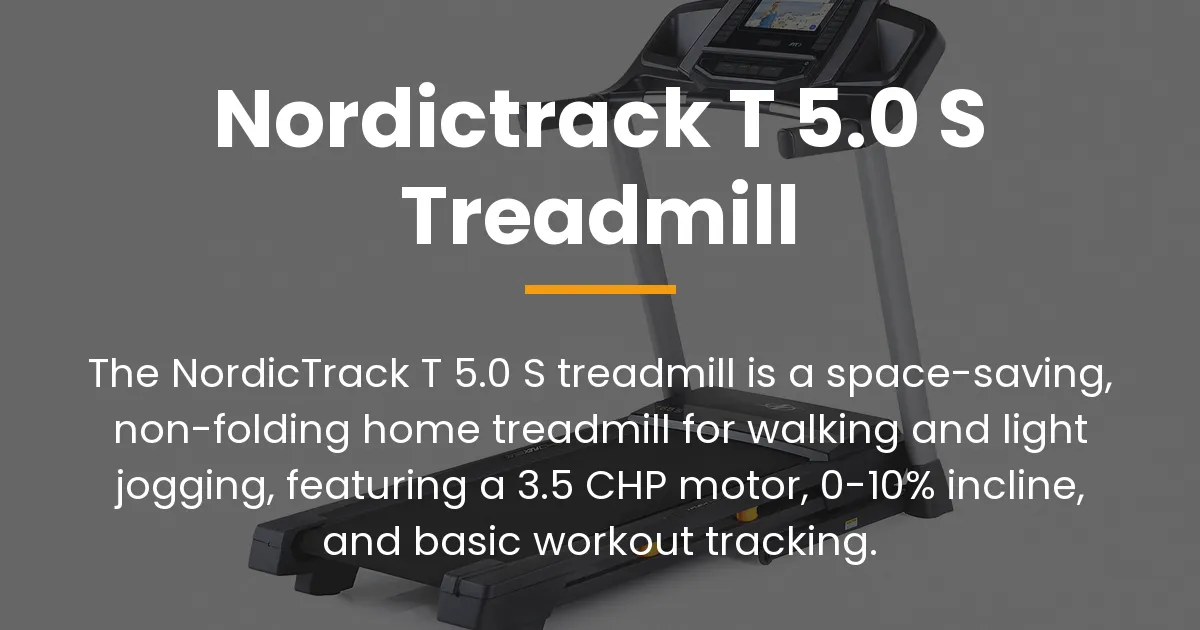
If you’re asking, “can you put treadmill on carpet,” the immediate answer is yes, but this comes with essential conditions. Placing a treadmill directly on carpet without taking specific steps can lead to equipment malfunction, permanent floor damage, and ruined carpeting. This guide walks you through every consideration, from carpet type to floor structure, ensuring your setup is safe and durable.
What Determines If a Treadmill Can Go on Carpet
Several factors influence whether your treadmill can sit safely on carpet. These include the carpet’s physical characteristics, the treadmill’s design and weight, and where in your home you plan to place it. Understanding these elements helps you avoid guesswork and implement the right solutions from the start.
Your Carpet’s Profile: Pile Height and Density
Carpet pile height describes how long the fibers are. Low pile carpet has short, tightly woven fibers that create a firm, flat surface. High pile carpet, like plush or shag styles, has longer, looser fibers that feel soft but compress easily under weight.
Density refers to how closely packed those fibers are. A dense high pile carpet might support weight better than a sparse low pile one. For treadmills, low pile and high density carpets are ideal because they deform less under pressure, providing a more stable base.
High pile carpets require extra attention. The deep fibers allow the treadmill feet to sink, causing instability. In such cases, a standard mat might not be enough, and you may need a more robust stabilization system.
Treadmill Weight and User Impact
Treadmills range from lightweight walking pads to heavy commercial models. The machine’s static weight is only part of the load. When you use it, you add dynamic impact—the force of your footsteps during a walk or run.
This dynamic load stresses the carpet and subfloor much more than the machine alone. A heavy person running on a 300-pound treadmill creates significant force. Therefore, the intensity of your workouts directly affects the precautions you need to take.
Light under-desk treadmills pose less risk but still benefit from a mat to prevent indentations. Always consider both the machine’s weight and how you plan to use it when deciding on protection.
Ground Floor vs. Upper Floor Considerations
Installing on a ground floor concrete slab is straightforward because concrete is rigid and load-bearing. The main concern here is protecting the carpet surface from indentations and wear.
Placing a treadmill on a second floor or higher is different. These floors are built with wooden joists and subflooring that can flex and vibrate. The combined weight and impact can transmit noise to rooms below and, in rare cases, raise structural concerns.
For upper floors, it’s crucial to distribute the weight widely. A good mat helps, but you must also consider the floor’s load capacity. Positioning the treadmill near a load-bearing wall, where the structure is strongest, is a smart move for added peace of mind.
Risks of Placing a Treadmill Directly on Carpet
Choosing to forgo a protective mat invites several problems that can damage your treadmill, your carpet, and your home’s structure. These risks develop over time, making them easy to overlook until the damage is done.
Machine Instability and Premature Wear
A treadmill requires a perfectly level and firm base to operate efficiently. On soft carpet, the feet can sink unevenly, causing the entire frame to wobble during use. This rocking motion misaligns the belt and deck.
Misalignment increases friction, forcing the motor to work harder. This extra strain can lead to overheating, reduced motor life, and more frequent breakdowns. The constant vibration can also loosen bolts and electrical connections over time.
From a user’s perspective, an unstable treadmill feels less secure and can compromise your workout form. Ensuring a solid foundation is critical for both machine longevity and your safety.
Permanent Carpet Damage
The most visible damage is permanent indentations where the treadmill’s feet press into the carpet. However, the harm goes deeper than just impressions. Constant vibration and pressure abrade the carpet fibers, causing them to mat down and lose their texture.
The underlying padding, which provides cushion, can compress permanently. Once compressed, it rarely recovers, leaving a hard, flat spot even after you remove the treadmill. This damage is often irreversible and requires carpet replacement to fix.
Moisture from sweat can also seep into the carpet, especially if the treadmill has no mat. Trapped moisture promotes mold and mildew growth, leading to odors and potential health issues. A mat acts as a barrier against such spills.
Vibration and Your Floor’s Hidden Limits
This is a critical gap in most advice. Vibration from a running treadmill travels through the carpet into the subfloor and beyond. On an upper floor, this often creates a persistent, low-frequency noise that can disturb people in rooms below.
Over months and years, this constant vibration can gradually loosen floor fasteners, drywall seams, and even light fixtures. While modern homes are built to standards, the rhythmic, concentrated impact of a treadmill is a unique stressor.
For second floor installations, using a thick, dense rubber mat is non-negotiable. It absorbs much of this vibrational energy before it reaches the floor structure, protecting your home’s integrity and maintaining peace with neighbors or family downstairs.
Choosing the Right Treadmill Mat
A high-quality treadmill mat is the single most important item for a safe carpet setup. It protects your floor, stabilizes the machine, and reduces noise. However, not all mats are created equal, and choosing the wrong one can undermine its purpose.
Essential Mat Material Properties
Look for mats made from dense rubber. Rubber is durable, non-slip, and excellent at damping vibration. Avoid PVC or thin foam mats, as they compress easily and offer little protection. Thickness is good, but material density is more important for support.
The mat should have a textured, non-slip surface on both sides. The bottom grips the carpet to prevent sliding, while the top holds the treadmill firmly in place. This dual grip is crucial for safety during vigorous exercise.
Never substitute with a yoga mat or general-purpose exercise mat. These are designed for body weight, not heavy gym equipment. They will flatten immediately, providing no stability or protection for your carpet.
Mat Size and Placement
Your mat should extend beyond the treadmill’s footprint on all sides. A good rule is to have at least a foot of extra space around the machine. This buffer area catches dust, rubber debris, and any sweat that might drip, keeping your carpet clean.
If your treadmill has an incline function, remember to account for its length when raised. Measure the full extended length and choose a mat that accommodates it. Placing the mat on a flat, seamless section of carpet ensures even weight distribution.
Smooth out any wrinkles in the carpet before laying the mat down. An uneven base can cause the treadmill to rock, even on a mat. Taking time during setup prevents problems later.
Commercial Treadmill Mats vs. Industrial Alternatives
Commercial treadmill mats are purpose-built for home gym equipment. They come in specific sizes and thicknesses, often backed by a lifetime warranty. Brands may offer mats tailored to their models, but universal mats work well for most treadmills.
For those seeking alternatives, horse stall mats are a popular, industrial-grade option. They are very thick, heavy, and provide exceptional stability and floor protection. However, they are cumbersome to move and may have a strong initial odor.
EVA foam interlocking tiles are another alternative, but they are better suited as a secondary layer. On their own, they may be too soft for heavy treadmills, compressing over time. They can be useful under a rubber mat for extra vibration damping in sensitive upstairs installations.
Installing Your Treadmill on Carpet Correctly
Proper installation transforms a risky placement into a secure, long-term setup. Follow these steps to ensure your treadmill is stable and your carpet remains protected, especially in challenging situations like high pile carpet or second-floor rooms.
Step-by-Step Setup with a Mat
- Clear the designated area completely. Move any furniture and vacuum the carpet to remove debris that could create an uneven surface under the mat.
- Unroll your treadmill mat and let it lie flat for a few hours if it was tightly rolled. This allows it to relax and eliminates curls that could affect stability.
- Position the mat on the carpet, ensuring it is centered and has equal overhang on all sides. Check that it lies flat without any bumps or folds.
- Carefully move the treadmill onto the mat. Use a furniture dolly or sliders to avoid dragging the machine, which can tear the mat or carpet.
- Set the treadmill feet onto the mat. If your model has adjustable leveling feet, use them to ensure all four feet make solid, even contact.
- Do a stability test. Walk on the treadmill at a slow speed and listen for any creaking or feeling of wobble. Adjust the feet or mat position until the machine feels rock-solid.
Once satisfied, try not to move the treadmill frequently. Each move disturbs the mat and carpet alignment, requiring you to repeat the leveling process.
When a Standard Mat Isn’t Enough: Advanced Stabilization
On very high pile carpet, even a thick rubber mat might allow some bounce. If your treadmill still feels unstable after standard setup, you need a more rigid foundation. The most effective solution is to create a plywood platform.
Cut a sheet of 3/4-inch thick plywood to a size that is larger than your treadmill’s footprint, but smaller than your mat. Place the plywood directly on the carpet, then lay your treadmill mat on top of the plywood, and finally place the treadmill on the mat.
This three-layer system—plywood, mat, treadmill—distributes weight over a wide area, preventing the feet from sinking. The plywood provides unyielding support, while the mat continues to protect the carpet and dampen vibration. It is a foolproof method for problematic carpets.
For less severe cases, using two quality rubber mats stacked can add stiffness. Ensure both mats have non-slip surfaces to prevent them from sliding against each other. However, for absolute stability, the plywood base method is superior and often recommended in enthusiast forums.
Long-Term Maintenance and Inspection
Regular check-ups preserve your carpet and treadmill. Every three to six months, lift the treadmill and mat to inspect the carpet underneath. Look for signs of moisture, discoloration, or unusual compression.
Vacuum the exposed carpet area thoroughly. If you notice any stains, clean them with a mild carpet cleaner and allow the spot to dry completely before replacing the mat. This prevents mold growth and odor.
Check the treadmill’s level and tighten any accessible bolts or screws. Vibration from use can loosen components over time. Also, wipe down the mat to remove dust and maintain its non-slip properties. This simple routine extends the life of your entire setup.
Frequently Asked Questions
Can I use a yoga mat or rug under my treadmill instead?
No, yoga mats and rugs are not suitable substitutes. They lack the density and thickness to support the treadmill’s weight, leading to rapid compression, instability, and no real protection for your carpet.
How thick should a treadmill mat be for a thick carpet?
For thick carpet, aim for a rubber mat at least 1/4 inch thick. However, density is more critical than thickness alone. A dense 1/4-inch mat often outperforms a thicker, softer one. For extreme cases, combine it with a plywood base.
Will a treadmill cause my upstairs floor to sag over time?
If installed correctly with a proper mat to distribute weight, the risk is very low. Residential floors are designed for live loads. To be safe, place the setup near a load-bearing wall and avoid exceeding the floor’s weight capacity.
Can I use a treadmill on carpet without a mat if I move it frequently?
It is still not recommended. Even frequent movement does not prevent the instantaneous damage caused by instability during use or the pressure indentations that form quickly. A portable mat is a better solution.
Do under-desk walking pads work differently on carpet than full-sized treadmills?
Yes, they do. Walking pads are lighter and generate less impact force, so they are generally more forgiving on carpet. However, using a mat is still advisable to prevent permanent carpet indentations and ensure the pad remains level.
How do I clean the carpet underneath my treadmill mat?
Lift the mat and treadmill periodically. Vacuum the carpet thoroughly. For any spills or stains, use a mild carpet cleaner, blot (do not rub), and allow the area to air dry completely before replacing the mat.
Can the treadmill’s heat or magnetism affect the carpet fibers?
No, this is not a concern. The heat generated by the motor is minimal and dissipated into the air. Magnetic fields from the motor are far too weak to affect synthetic or natural carpet fibers in any way.
Should the mat be larger than the treadmill’s footprint?
Yes, always. A larger mat catches debris, provides a buffer for sweat, and ensures the treadmill remains on a protected surface even if it shifts slightly during intense workouts or when mounting and dismounting.
What is the best way to move a heavy treadmill onto a carpeted area?
Use a furniture dolly or equipment sliders. Carefully tip the treadmill onto the dolly, roll it to the mat, and then lower it into place. Avoid dragging, which can scrape and damage both the carpet and the treadmill’s feet.
Does carpet void a treadmill’s warranty?
Typically, no. Warranties rarely specify flooring type. However, if damage occurs due to instability or improper use (like operating on an uneven surface), that damage might not be covered. Using a mat helps ensure stable operation, aligning with warranty expectations.
So, can you put treadmill on carpet? The definitive answer is yes, but only when you pair it with the right protective mat and a thoughtful setup. By understanding your carpet type, choosing a dense rubber mat, and employing advanced stabilization like a plywood base when needed, you create a safe environment for your workouts. This approach safeguards your treadmill, preserves your floors, and gives you peace of mind for years of exercise.