If you have ever wondered what is 12 incline on a treadmill, the direct answer is that it represents a 12% grade. This setting lifts the treadmill belt to mimic a very steep hill, making your walk or run much harder and targeting muscles like your glutes and hamstrings intensely. It is the key number in the popular 12-3-30 workout, but understanding it fully means knowing how it feels, how to use it safely, and when it fits your goals.
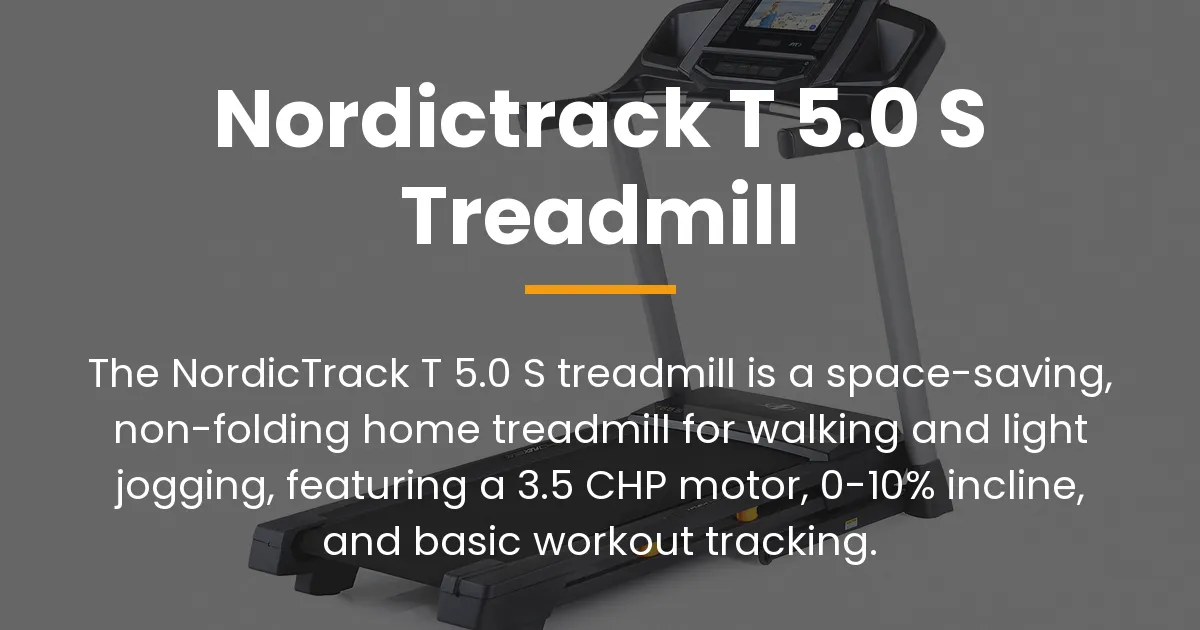
NordicTrack T Series Treadmill
- Incline Range: Up to 10% – 12% Auto-Incline
- Cushioning: FlexSelect deck absorbs heel impact on steep grades
- Motor: 3.0 CHP built for continuous 30-minute incline walking
As an Amazon Associate, we earn from qualifying purchases.
What Is 12 Incline on a Treadmill?
An incline of 12 on a treadmill is equivalent to a 12% grade, which means that for every 100 feet you move forward, you move 12 feet upward. A 12 incline is about a 7 degree incline, equivalent to a steep hill.
When you set your treadmill to a 12 incline, you are telling the machine to raise its belt to a 12% grade. This percentage is the standard way treadmills measure incline, and it means that for every 100 units you move forward horizontally, you climb 12 units vertically. It is not an angle in degrees but a slope percentage, which is why it feels so challenging. Most treadmills allow you to adjust incline in half number increments, so you might see settings like 11.5 or 12.5, giving you fine control over your workout intensity.
This system is consistent across most modern treadmills, whether at home or in the gym. The motor and deck design work together to lift the front of the belt, creating the inclined surface you walk on. A 12% grade is considered very steep, much steeper than typical outdoor hills or regular treadmill workouts, which often stay between 0% and 5%. It demands more effort from your heart, lungs, and muscles, leading to higher calorie burn and stronger legs over time.
Percentage Incline Versus Angle in Degrees
People often confuse percentage incline with an angle measured in degrees, but they are different. A 12% incline is not the same as a 12-degree angle. In fact, a 12% grade is roughly equal to about a 7-degree angle, which shows how percentages can be misleading if you think in terms of degrees. The percentage method is used because it directly relates to how steep a hill is in real life, like on a road sign, making it easier to understand the effort required. So when you see 12 on the treadmill display, think of a sharp hill climb, not a specific angle.
How Treadmills Create the Incline Experience
Treadmills use a motor to lift the entire running deck or just the front rollers, depending on the model. This mechanical action changes the slope you walk on. Higher-end models might offer a wider range, from negative declines to inclines up to 15% or more, but 12% is a common high setting available on many machines. The incline number you select directly controls this mechanism, ensuring you get a consistent workout that simulates outdoor terrain. Understanding this helps you trust the settings and focus on your form and pace.
What Your Body Feels Like at a 12 Incline
Walking at a 12 incline is a unique physical experience that goes beyond just seeing a number on the screen. Initially, you will feel a strong pull in your glutes and hamstrings with every step, as these muscles work overtime to lift your body against gravity. Your calves and Achilles tendons also engage deeply, which can lead to a burning sensation if you are new to such steep grades. Compared to walking flat or at a low incline, your heart rate spikes quickly, making you breathe harder and sweat more within just a few minutes.
It is crucial to maintain proper posture to handle this demand. You should lean slightly forward from your ankles, not your waist, to match the hill’s slope, and avoid holding onto the handrails. Gripping the rails might seem easier, but it reduces the workout’s effectiveness and can throw off your balance. Instead, let your arms swing naturally, and take shorter, more deliberate steps to maintain stability. This posture ensures your legs do the work, maximizing muscle engagement and calorie burn while minimizing strain on your back.
Many users describe a 12% grade as feeling like a relentless uphill hike, steeper than most standard highway grades you encounter outdoors. If you have ever climbed a steep trail or a long staircase, the sensation is similar but more sustained because the treadmill belt keeps moving. Your legs might feel heavy, and you will notice the effort level is high even at a slow walking speed. This visceral feedback is why a 12 incline is so effective for building endurance and strength, but it also means you need to build up to it gradually to avoid injury or discouragement.
How Many Calories Does a 12 Incline Actually Burn?
Using a 12 incline significantly increases the calories you burn compared to walking on a flat surface. The science behind this is simple: your body must work harder to overcome gravity, which raises your metabolic demand and heart rate. For example, a person walking at 3 miles per hour on a 0% incline might burn around 150 calories in 30 minutes, but at a 12% incline, that number can jump to 250 calories or more, depending on your weight and fitness level. This extra calorie burn makes high-incline walking efficient for weight loss and improving cardiovascular health.
The effort level is much higher, which is why even a moderate speed feels challenging. Your heart rate will likely enter a fat-burning or cardio zone quickly, making the workout effective for improving endurance. However, it is important to listen to your body and not push too hard initially. Starting with lower inclines and gradually increasing allows your muscles and joints to adapt, reducing the risk of overuse injuries. Remember, the goal is consistent progress, not immediate intensity, to reap long-term benefits from the extra calories burned.
The 12-3-30 Workout Explained
The 12-3-30 workout has become a viral fitness trend, and it directly uses the 12 incline on a treadmill. The protocol is straightforward: set the treadmill to a 12% incline, a speed of 3 miles per hour, and walk for 30 minutes. This routine is designed as a low-impact cardio workout that is accessible to many people, as it does not require running or jumping. Its popularity stems from its simplicity and the visible results some users report, like improved stamina and leg strength, often shared in motivation comments online.
To perform the 12-3-30 workout correctly, begin with a warm-up by walking at a slow pace on a low incline for 5 minutes. Then, adjust the settings to 12% incline and 3 speed, and start your 30-minute walk. Focus on maintaining good form, as mentioned earlier, and try to complete the full 30 minutes without holding the rails. Afterward, cool down with another 5 minutes of slow walking on a flat surface to help your heart rate return to normal. Consistency is key, so aiming for a few days a week can lead to benefits over time.
The Truth About the 12-3-30 Workout
While the 12-3-30 workout has merits, it is not a one-size-fits-all solution. Its benefits include being a low-impact cardio workout that is easy to follow and can boost heart health and calorie burn. For beginners or those looking for a steady routine, it offers a structured way to incorporate incline walking. However, there are limitations. The workout can become monotonous if done daily, and it may not suit everyone, especially heavier people or those with knee or back issues, due to the steep grade.
It is best for individuals who already have a basic fitness level and want to add variety to their cardio sessions. If you are new to exercise, starting with lower inclines between 5 and 12 is safer, as jumping straight to 12% can lead to muscle soreness or injury. Also, the workout focuses mainly on endurance and leg strength, so if your goals include upper body training or high-intensity intervals, you might need to supplement it with other activities. Understanding these pros and cons helps you decide if the 12-3-30 routine aligns with your fitness journey.
How to Safely Use a 12 Treadmill Incline
Before attempting a 12 incline, it is essential to build a foundation to use it safely. This involves mastering your walking form, following a progression plan, and recognizing warning signs from your body. Rushing into high inclines without preparation increases the higher chance of strain or injury, so patience is crucial. Start by incorporating lower inclines into your routine and gradually increase as your strength and endurance improve.
Finding Your Proper Walking Form
Proper form is the backbone of safe incline walking. Stand tall with your shoulders relaxed and your gaze forward, not down at your feet. Lean your entire body slightly forward from your ankles to match the incline, which helps engage your glutes and prevents back pain. Take shorter steps than usual to maintain balance and reduce impact on your knees. Swing your arms naturally in sync with your steps, and avoid the temptation to grip the handrails, as this can lead to poor posture and reduced workout benefits. Wearing good shoes with adequate cushioning and support also protects your joints and enhances comfort.
Prevent Incline Calf Strain & Heel Discomfort
Walking continuously at a 12% grade shifts your weight toward your heels and Achilles tendons. Pairing high-incline workouts with maximum-cushion walking shoes prevents arch fatigue and joint impact.
View Top-Rated Cushioning Shoes for Incline Treadmills on Amazon →A Sample Progression Plan to Build to 12%
Here is a step-by-step progression plan to safely work up to a 12 incline over several weeks. This plan assumes you are new to incline walking or returning after a break. Adjust the timeline based on how your body feels.
- Week 1-2: Start with a 0% incline and walk at a comfortable speed, such as 2.5 to 3 mph, for 20 minutes. Focus on maintaining good form and breathing steadily.
- Week 3-4: Increase the incline to 2-3% and keep the same speed. Walk for 25 minutes, noticing how your muscles engage more. If you feel confident, try adding 1% incline every few days.
- Week 5-6: Aim for an incline between 5% and 8%. You can reduce the speed slightly if needed, to around 2.8 mph, and walk for 30 minutes. This builds endurance for steeper grades.
- Week 7-8: Gradually push the incline to 10% and then 12%. Start with short intervals, like 5 minutes at 12% incline mixed with lower incline walking, and slowly increase the time at 12% until you can handle the full 30 minutes.
Listen to your body throughout this process. If you experience pain beyond normal muscle fatigue, reduce the incline or take a rest day. Consistency with this progression helps your body adapt without overstressing it.
Warning Signs to Stop or Reduce Incline
While building up to a 12 incline, be aware of red flags that indicate you should stop or lower the intensity. Sharp pain in your knees, ankles, or back is a clear sign to pause and assess your form. If you feel dizzy, nauseous, or excessively short of breath, immediately reduce the incline or speed and allow your heart rate to decrease. Tingling or numbness in your hands, which can happen if you lean on the rails, means you need to correct your posture. Always prioritize safety over pushing through discomfort, as ignoring these signals can lead to injuries that set back your progress.
Choosing the Right Incline for Your Goals
A 12 incline is powerful, but it is not always the best choice for every fitness goal. Understanding how different inclines serve various purposes helps you tailor your treadmill workouts effectively. For weight loss, research shows that walking at inclines between 5% and 12% can significantly increase calorie burn, so you might mix 12% sessions with moderate inclines for variety. If your aim is to build glute and hamstring strength, a 12% incline is excellent, but lower inclines like 8% can also be effective with added speed or duration.
For general cardio health, alternating between flat walking, moderate inclines, and high inclines keeps your heart rate varied and prevents plateaus. Beginners should start with inclines only up to 5 to build confidence and avoid injury. Remember, the best incline is one that challenges you without compromising your form or causing pain. By contextualizing 12% within a broader plan, you can use it strategically rather than as a default, ensuring your workouts remain balanced and aligned with your personal objectives.
Best Treadmills for 12% Incline Workouts
| Treadmill Model | Best For | Key Incline Specs | Action |
|---|---|---|---|
| NordicTrack T Series | BEST OVERALL | 10–12% Auto-Incline FlexSelect Deck |
Check Price |
| Sunny Health & Fitness | BEST BUDGET | Auto/Manual Incline Compact Folding Frame |
Check Price |
| Sole F63 / F80 | HEAVY-DUTY | Up to 15% Incline 350 lbs Weight Limit |
Check Price |
Frequently Asked Questions
Is a 12% incline on a treadmill the same as a 12-degree angle?
No, a 12% incline is not the same as a 12-degree angle. A 12% grade is roughly equal to about a 7-degree angle, because percentage incline measures slope as rise over run, while degrees measure the angle directly. Treadmills use percentage for consistency with real-world hills.
How many extra calories can you burn walking at a 12 incline versus walking flat?
Walking at a 12 incline can burn up to 50% more calories compared to walking flat at the same speed. For example, if you burn 150 calories in 30 minutes on a 0% incline, you might burn 225 to 250 calories at 12%, depending on your weight and effort level.
Can I use a 12 incline if I’m new to treadmill walking?
It is not recommended to start with a 12 incline if you are new to treadmill walking. Begin with lower inclines between 0% and 5% to build strength and endurance, then gradually increase over weeks using a progression plan to avoid injury.
Why do my hands tingle or feel numb on a high incline?
Tingling or numbness in your hands on a high incline usually happens if you are holding onto the treadmill rails too tightly. This grip can compress nerves and reduce blood flow. Focus on leaning forward properly and swinging your arms freely to alleviate this issue.
Do all treadmills measure incline the same way?
Most treadmills measure incline as a percentage grade, but some models might display it in half number increments or have different maximum settings. Always check your treadmill’s manual to understand its specific range, which can vary from only up to 5% on basic models to 15% or more on advanced ones.
Is walking at a 12 incline bad for your knees or back?
Walking at a 12 incline is not inherently bad for your knees or back if you use proper form. However, if you have pre-existing conditions or poor posture, it can increase strain. Ensure you lean forward from your ankles, take short steps, and avoid holding rails to minimize risk.
What is a good alternative if my treadmill only goes up to a 10 or 15 incline?
If your treadmill maxes out at 10% incline, you can increase the speed or duration to match the effort of a 12% grade. For a 15% max, you can use intervals at 15% to simulate even steeper challenges. Adjust based on your goals, such as adding weight loss exercises like squats off the treadmill.
How does a 12 treadmill incline compare to the incline on a stair stepper?
A 12 treadmill incline simulates a steep hill climb, engaging glutes and hamstrings continuously, while a stair stepper mimics climbing stairs, focusing more on quads and calves with an up-and-down motion. Both are effective for cardio, but the treadmill incline offers a smoother, low-impact workout.
Should I wear different shoes for high-incline walking?
Yes, wearing good shoes with cushioning and support is crucial for high-incline walking. Choose running or walking shoes that fit well and provide stability to protect your feet, ankles, and knees from the increased impact and strain on steep grades.
Can I run on a 12 incline, or is it only for walking?
Running on a 12 incline is possible but very advanced and not recommended for most people. It places extreme stress on your legs and cardiovascular system. It is generally safer and more effective to walk at a 12 incline, as seen in the 12-3-30 workout, to build endurance without high injury risk.
In summary, knowing what is 12 incline on a treadmill goes beyond the number—it is about understanding the steep hill simulation, the muscle engagement, and how to integrate it safely into your fitness routine. Whether you try the 12-3-30 workout or use it as part of a varied plan, this knowledge empowers you to walk confidently toward stronger legs and better health. Start slow, respect your body’s signals, and enjoy the climb.